

If you’re looking to speed up your recovery from sports injuries, you’re in the right place. Discover the top physiotherapy treatments that’ll get you back in the game faster sports physiotherapy.
From injury assessment to tailored exercise programs, these techniques will have you feeling stronger and more agile in no time. Say goodbye to sidelined days and hello to quicker healing with these proven methods.
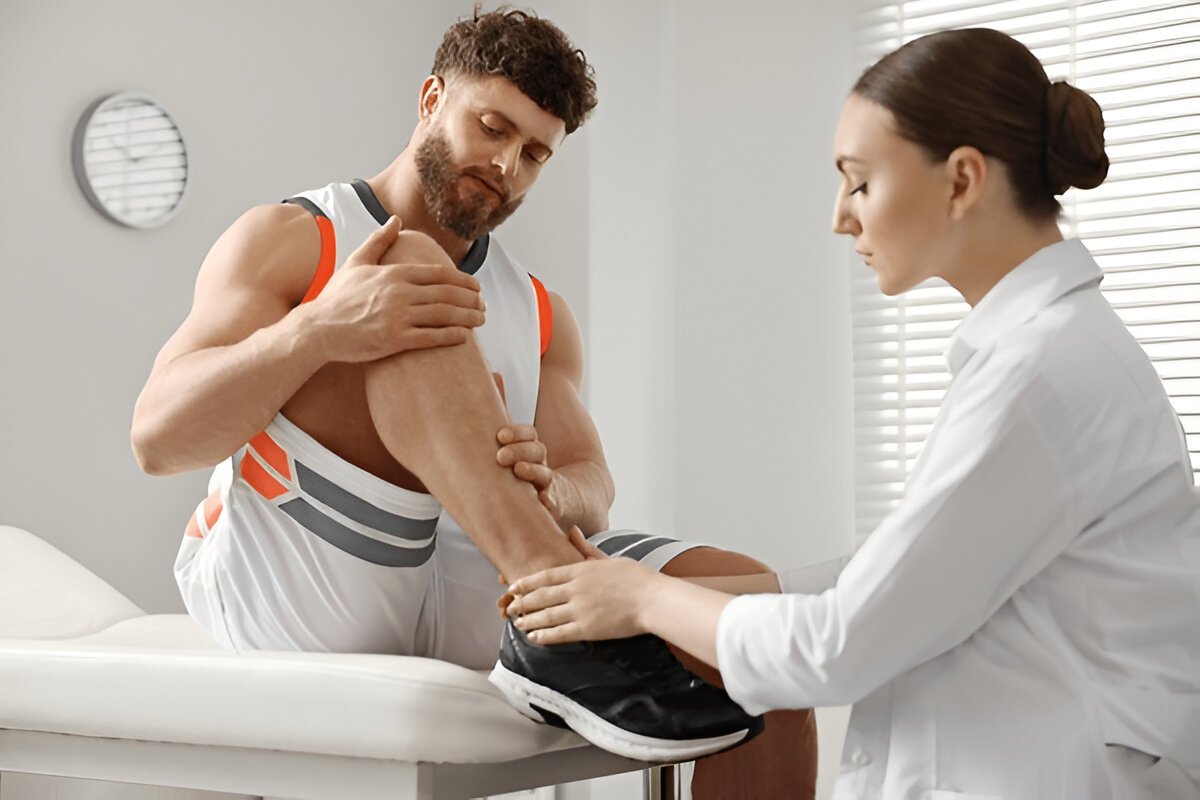
Injury Assessment and Diagnosis
Assess your sports injury promptly to receive an accurate diagnosis for effective treatment. By taking quick action, you empower yourself to understand the extent of the injury and begin the journey to recovery sooner rather than later. Ignoring or downplaying the injury could lead to further complications down the road, hindering your ability to get back to doing what you love most – being active and participating in sports.
When you promptly address your sports injury rehabbee, you set yourself up for success. Seeking professional help from a physiotherapist or sports medicine specialist can provide you with the expertise needed to assess the injury correctly. Through various physical tests and possibly imaging studies, you can pinpoint the exact issue and tailor a treatment plan that suits your specific needs.
Manual Therapy Techniques
Promptly seek out manual therapy techniques from a skilled physiotherapist or sports medicine specialist to address your sports injury with precision and accelerate your recovery process.
Manual therapy involves hands-on techniques to manipulate muscles, joints, and soft tissues to reduce pain, improve range of motion, and promote healing. Techniques like joint mobilizations, soft tissue mobilization, and manipulations can target specific areas of dysfunction, aiding in the restoration of optimal function.
By releasing tension, improving circulation, and breaking down scar tissue, manual therapy can help you regain strength and flexibility more efficiently. Moreover, manual therapy can enhance proprioception and neuromuscular control, reducing the risk of future injuries.
Your physiotherapist will tailor the manual therapy techniques to your individual needs, ensuring a personalized treatment plan for your sports injury. Embrace the power of manual therapy to expedite your recovery and get back to doing what you love with confidence.
Therapeutic Exercise Programs
Engage in targeted therapeutic exercise programs under the guidance of a skilled physiotherapist to expedite your sports injury recovery process. These programs are tailored to your specific injury, focusing on strengthening, flexibility, and overall function. By actively participating in these exercises, you take control of your recovery journey and work towards getting back to your sport faster.
Therapeutic exercise programs often include a combination of stretching, resistance training, and functional movements to address the affected area comprehensively. Your physiotherapist will carefully design a plan that challenges you appropriately while ensuring safety and effectiveness. Through consistent effort and commitment to these exercises, you can enhance muscle coordination, improve range of motion, and speed up tissue healing.
Moreover, these programs not only aid in physical recovery but also play a crucial role in preventing re-injury by addressing underlying weaknesses or imbalances. By incorporating these exercises into your routine, you empower yourself to build a stronger foundation for long-term athletic performance and well-being. Embrace the opportunity to actively engage in your recovery through targeted therapeutic exercise programs for a swifter return to the activities you love.

Modalities for Pain Management
To effectively manage pain associated with your sports injury, consider incorporating modalities such as ice therapy and electrical stimulation into your physiotherapy treatment plan. Ice therapy, also known as cryotherapy, can help reduce inflammation and numb the area, providing relief from pain. Applying an ice pack for 15-20 minutes several times a day can aid in managing acute pain.
Electrical stimulation, on the other hand, works by delivering small electrical impulses to the affected area, which can help reduce pain and promote healing. This modality is particularly beneficial for muscle injuries and can be adjusted to suit your comfort level.
These pain management modalities offer non-invasive ways to alleviate discomfort and support your recovery journey. By integrating ice therapy and electrical stimulation into your physiotherapy regimen, you can expedite the healing process and get back to your favorite activities sooner. Remember to consult with your physiotherapist to determine the most suitable approach for your specific injury and pain level.
Functional Movement Training
Incorporate functional movement training exercises to improve your body’s mobility and strength, complementing the pain management modalities discussed earlier in your physiotherapy treatment plan. These exercises focus on movements that mimic real-life activities, enhancing your body’s ability to perform daily tasks and sports-specific actions. By engaging in functional movement training, you not only recover from sports injuries but also prevent future ones by building a foundation of stability and flexibility.
Functional movement training emphasizes dynamic movements that challenge multiple muscle groups simultaneously, improving coordination and balance. This type of training encourages your body to work as a cohesive unit, enhancing overall performance and reducing the risk of imbalances or compensations that can lead to injuries.
Incorporating functional movement training into your physiotherapy regimen fosters a holistic approach to recovery, addressing both the symptoms and underlying causes of sports injuries. By focusing on functional movements, you empower your body to move more efficiently, promoting long-term health and wellness. Embrace this training to unleash your body’s full potential and reclaim your active lifestyle with confidence.
Conclusion
Overall, when dealing with sports injuries, it’s crucial to seek out a qualified physiotherapist who can provide a tailored treatment plan for faster recovery.
By undergoing injury assessment, manual therapy techniques, therapeutic exercise programs, modalities for pain management, and functional movement training, you can improve your recovery process and get back to your sport sooner.
Remember, taking care of your body is essential for long-term success in your athletic endeavors.